Construction projects create progress, but they also create waste. Concrete, asphalt, brick, dirt, and other materials can pile up fast during demolition, site work, and redevelopment. When those materials are simply hauled away and dumped, contractors lose value and communities take on more environmental strain. That is why construction material recycling matters.
For contractors, builders, and developers, construction material recycling can support cleaner jobsites, better cost control, and more efficient project planning. For communities, it helps reduce landfill use, conserve resources, and support smarter growth. When done well, it creates benefits far beyond a single project.
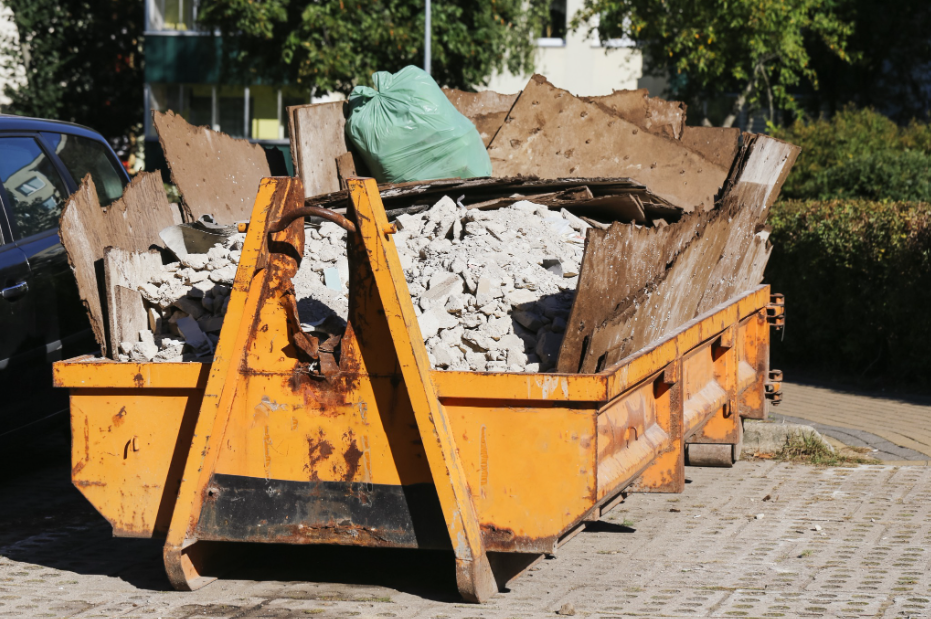
What Is Construction Material Recycling?
Construction material recycling is the process of collecting, sorting, and reusing materials generated during construction, demolition, and site development. Instead of sending usable materials to a landfill, they are processed so they can be repurposed in future projects.
Common recyclable materials include:
- Concrete
- Asphalt
- Brick
- Soil
- Stone
- Metals
- Wood in some cases
For example, crushed concrete can often be reused as base material. Recycled asphalt can be processed for paving applications. Clean fill materials may also be reused where appropriate. This makes construction material recycling a practical part of modern construction, not just an environmental talking point.
Why Construction Material Recycling Matters for Contractors
Contractors are under constant pressure to manage timelines, control costs, and keep jobs moving. Construction material recycling supports those goals in several ways.
It helps reduce disposal costs
Landfill fees and hauling costs can add up quickly, especially on large demolition or sitework projects. Recycling gives contractors another path for handling material, often helping reduce the amount of waste sent to disposal sites.
When recyclable materials are separated and routed properly, crews can lower waste-related costs and make better use of project resources. In many cases, construction material recycling is not just better for the environment. It also makes financial sense.
It supports more efficient jobsite management
A jobsite runs better when material handling is planned well. Piles of mixed debris can slow down work, create safety concerns, and make logistics more difficult. Recycling programs encourage better sorting, cleaner staging areas, and more organized removal.
That can help contractors maintain smoother workflows and avoid unnecessary delays. With the right process in place, construction material recycling becomes part of a more efficient operation from start to finish.
It can improve project value
Many owners, developers, and public agencies care about sustainability goals. They may want to reduce landfill waste, support reuse efforts, or strengthen the environmental profile of a project. Contractors who include construction material recycling in their approach may be better positioned to meet those expectations.
That can matter when bidding work, meeting project requirements, or supporting broader development goals.
How Construction Material Recycling Helps With Cost Control
Material waste is expensive in more ways than one. It affects transportation, labor, disposal, and site productivity. Construction material recycling can help contractors control those costs by creating a more strategic plan for handling debris and reusable material.
Less waste can mean fewer unnecessary expenses
When recyclable materials are identified early, contractors can better estimate hauling needs, reduce landfill volume, and streamline cleanup. That means fewer surprises and more predictable job costs.
Recycled materials can support future work
In some cases, processed materials can be reused in construction applications. That creates added value from material that might otherwise be discarded. For contractors focused on resource efficiency, construction material recycling supports a smarter use of available materials.
How Communities Benefit From Construction Material Recycling
The value of construction material recycling goes beyond the jobsite. Communities benefit when construction waste is handled in a more responsible and sustainable way.
It reduces pressure on landfills
Construction and demolition debris can take up significant landfill space. Recycling helps divert large volumes of material away from disposal sites, which can help extend landfill life and reduce the burden on local infrastructure.
It conserves natural resources
When recyclable materials are processed and reused, the need for some new raw materials may be reduced. That helps conserve stone, aggregate, and other natural resources that are important to future construction and development.
It supports cleaner, more sustainable growth
Communities want development, but they also want responsible growth. Construction material recycling supports both. It helps reduce waste, lower environmental impact, and encourage building practices that align with long-term community interests.
For local stakeholders, that can mean cleaner project outcomes and stronger support for sustainability efforts.
Why a Reliable Recycling Partner Matters
Not all recycling support is the same. A reliable partner helps contractors manage materials efficiently, understand what can be recycled, and keep projects moving without confusion.
The right partner brings clarity and consistency
A trusted recycling provider can help with:
- Material acceptance guidance
- Efficient drop-off or hauling coordination
- Clear communication
- Consistent processing standards
- Support for cleaner, more organized jobsites
This kind of partnership makes construction material recycling easier to build into daily operations. It also helps contractors avoid wasted time and costly missteps.
Local expertise makes a difference
Working with a dependable local recycler can improve service and simplify logistics. A partner who understands regional project demands and material flows can help contractors make better decisions and stay on schedule.
Build Better Projects With Construction Material Recycling
Construction material recycling helps contractors reduce waste, improve efficiency, and support cost control. It also helps communities conserve resources, reduce landfill use, and promote more responsible development. As construction demands continue to grow, recycling is becoming a smarter and more practical part of the process.
LCI Recycling helps contractors, builders, developers, and communities make construction material recycling part of a more efficient and sustainable approach. If you are looking for a reliable recycling partner for your next project, contact (301) 953-2493 to learn how the team can help you manage materials with confidence.
